Home
Core expertise
Stainless steelCarbon steelHastelloyPTFE liningMetalworkPipe bendingGeberit MapressGeberit MeplaCOOL-FIT 2.0District heating pipesPlastic piping254 SMO
Industries
ChemicalPharmaFoodPetroleum and tank farms
Company
About usQualityCareersFrequently asked questionsContact
DEFRENIT
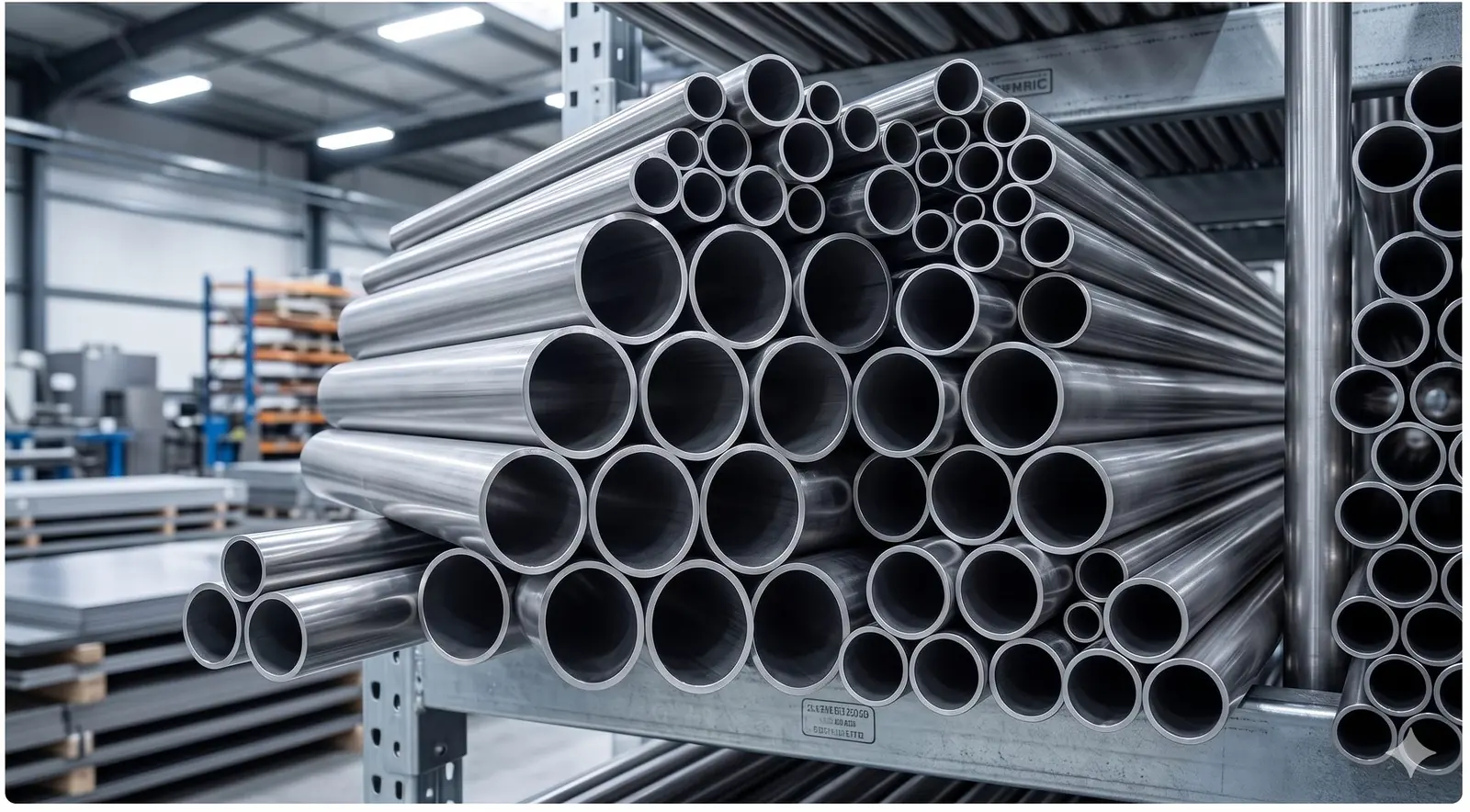
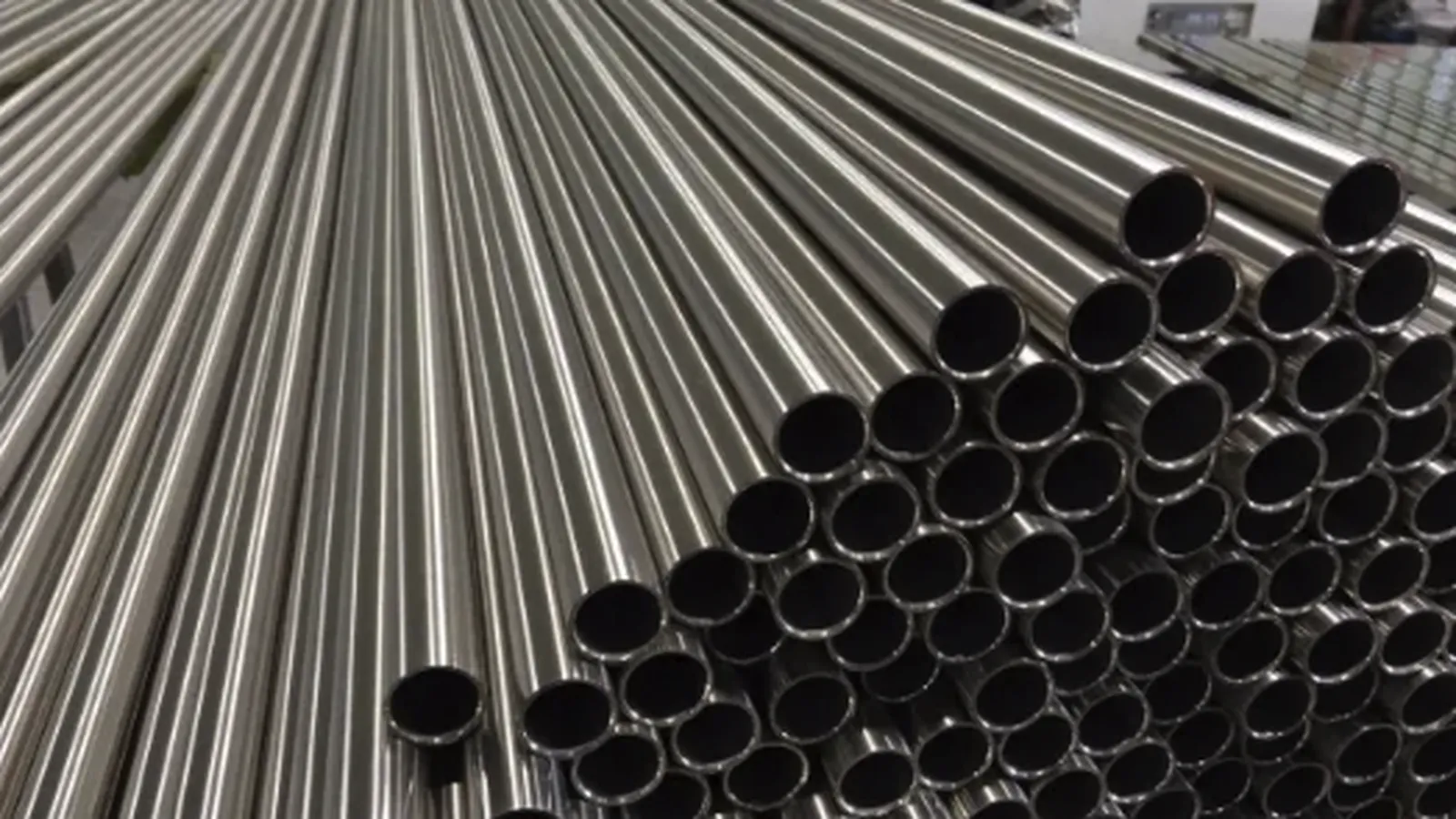
Stacked high-alloy stainless steel tubes with a bright surface

254 SMO: stainless steel for chloride-bearing media.

We fabricate and install piping in 254 SMO (1.4547) up to 110 mm diameter. This high-alloy austenitic stainless steel with around 6 % molybdenum was developed for seawater and other aggressive chloride-bearing media, and holds where 1.4404 (316L) fails through pitting and crevice corrosion.

Services · 254 SMO

What we use 254 SMO for

01

Chloride-bearing media

salt solutions, brine, brackish water and seawater.
02

Chemicals with halides

tanks and pipelines for media containing chlorides and bromides.

03

Cooling water

cooling water lines when 316L shows pitting.

04

Gas cleaning and bleaching plants

components in flue gas cleaning and pulp bleaching.

Material

254 SMO is a high-alloy austenitic stainless steel. Its high chromium, molybdenum and nitrogen content protects against pitting, crevice corrosion and stress corrosion cracking in chloride-bearing media; its very low carbon content keeps the risk of intergranular corrosion after welding low.

Feature254 SMO
Material number1.4547, X1CrNiMoCuN20-18-7 (UNS S31254)
Alloyapprox. 20 % chromium, 18 % nickel, 6.1 % molybdenum, 0.2 % nitrogen, 0.7 % copper
PRE number≥ 42.5
Proof strength Rp0.2≥ 310 MPa, higher than standard austenitic grades
WeldingTIG as first choice, with nickel-based filler metal
Finishingin-house pickling and passivation
Our installation rangeup to 110 mm diameter

3.1 material certificates and weld documentation are supplied as agreed.

Advantages

More corrosion reserve than 316L, more economical than nickel alloys.

  • Resists pitting and crevice corrosion — even at high chloride levels and in seawater.
  • Resists stress corrosion cracking — considerably better than 304 and 316.
  • High strength — higher than standard austenitic grades.
  • Good weldability, cold-bendable — normally no annealing needed after cold bending.
  • Between 316L and Hastelloy — the right level for many media.
Step by step

How we work

  1. Step 01

    Clarification

    medium, temperature, pressure and routing.

  2. Step 02

    Material and design

    material selection, isometrics, parts list.

  3. Step 03

    Prefabrication and installation

    TIG welding with low heat input, pickling and passivating, installing.

  4. Step 04

    Pressure test and handover

    test report and documentation as agreed.

FAQ

Frequently asked questions

What is 254 SMO?

A high-alloy austenitic stainless steel, material number 1.4547 (UNS S31254), developed for seawater and other chloride-bearing media. It contains around 20 % chromium, 18 % nickel and 6 % molybdenum; its PRE number is at least 42.5.

When is 254 SMO needed instead of 316L?

When the medium contains chlorides and 316L would suffer pitting, crevice corrosion or stress corrosion cracking, for example with salt solutions, brine or seawater.

How is 254 SMO welded?

Preferably by TIG, with a nickel-based filler metal and low heat input, so that the weld stays as corrosion-resistant as the pipe.

Up to what diameter do you work with 254 SMO?

Up to 110 mm diameter.

Which region do you cover?

Our focus is the Basel region: Basel-Stadt, Basel-Landschaft and the Fricktal. We also work in the rest of north-western Switzerland and in French-speaking Switzerland, for example in Geneva, Lausanne, Fribourg, Neuchâtel and Valais, and in Ticino by arrangement. We speak German and French.

Who do you work with 254 SMO for?

For industrial companies, architects, planners, construction companies and public-sector clients. We do not work for private customers.
Contact

Let's talk about your project.

Hohenrainstrasse 10b, 4133 Pratteln · Mon–Fri 07:00–12:00 and 13:00–16:00