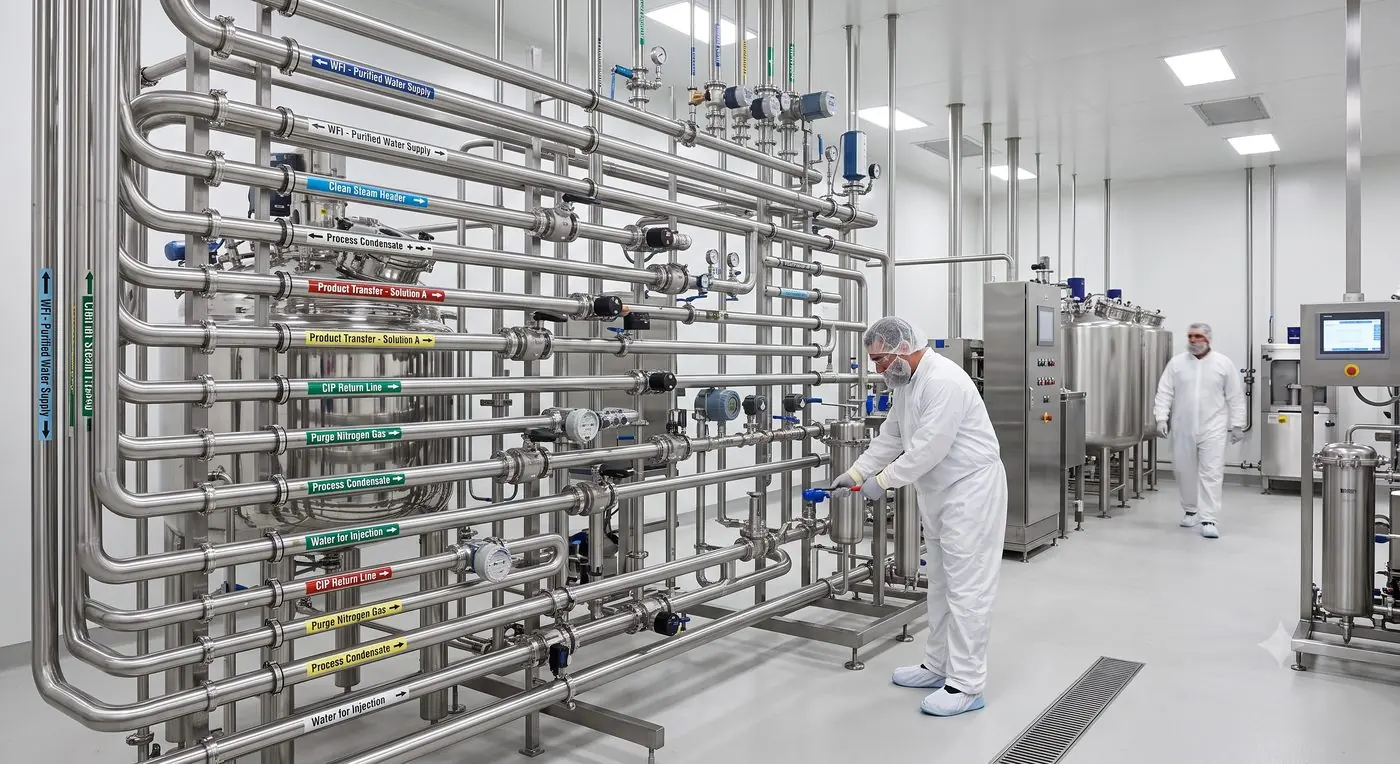
TIG
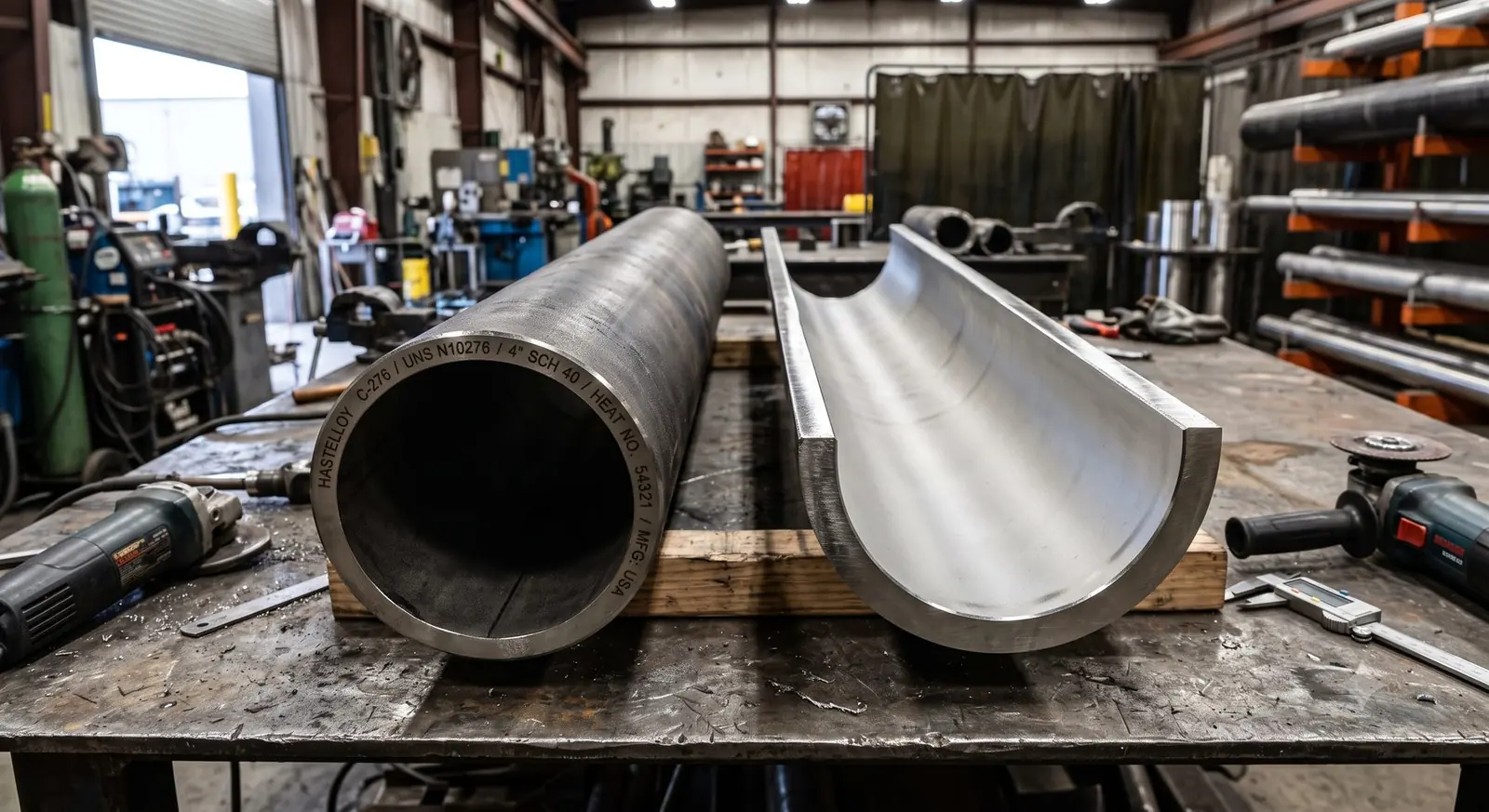
For stainless steel and Hastelloy, for root passes and thin-walled pipes. With root shielding, so that the inside stays smooth and free of oxide.
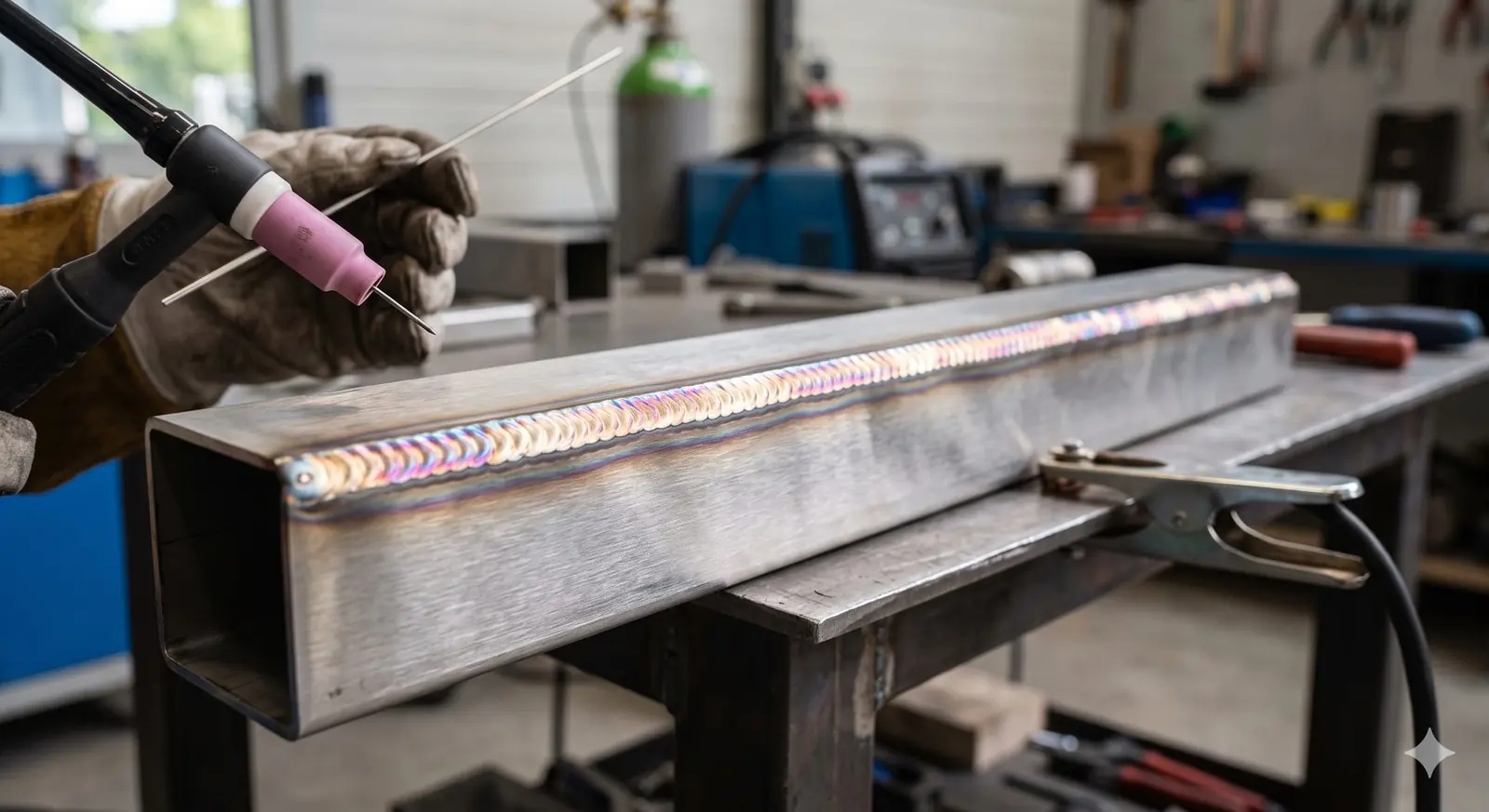
Which process for which material, which tests, which documents: this page states what we actually do. You define the scope of documentation when you place the order.
The process is chosen according to the material, the wall thickness and the position of the weld.
For stainless steel and Hastelloy, for root passes and thin-walled pipes. With root shielding, so that the inside stays smooth and free of oxide.
For series of pipe-to-pipe joints, with reproducible weld quality.
For fill and cap passes in carbon steel, economical in prefabrication.
For aluminium and for metalwork.
For fill and cap passes and for hard-to-reach locations on site.
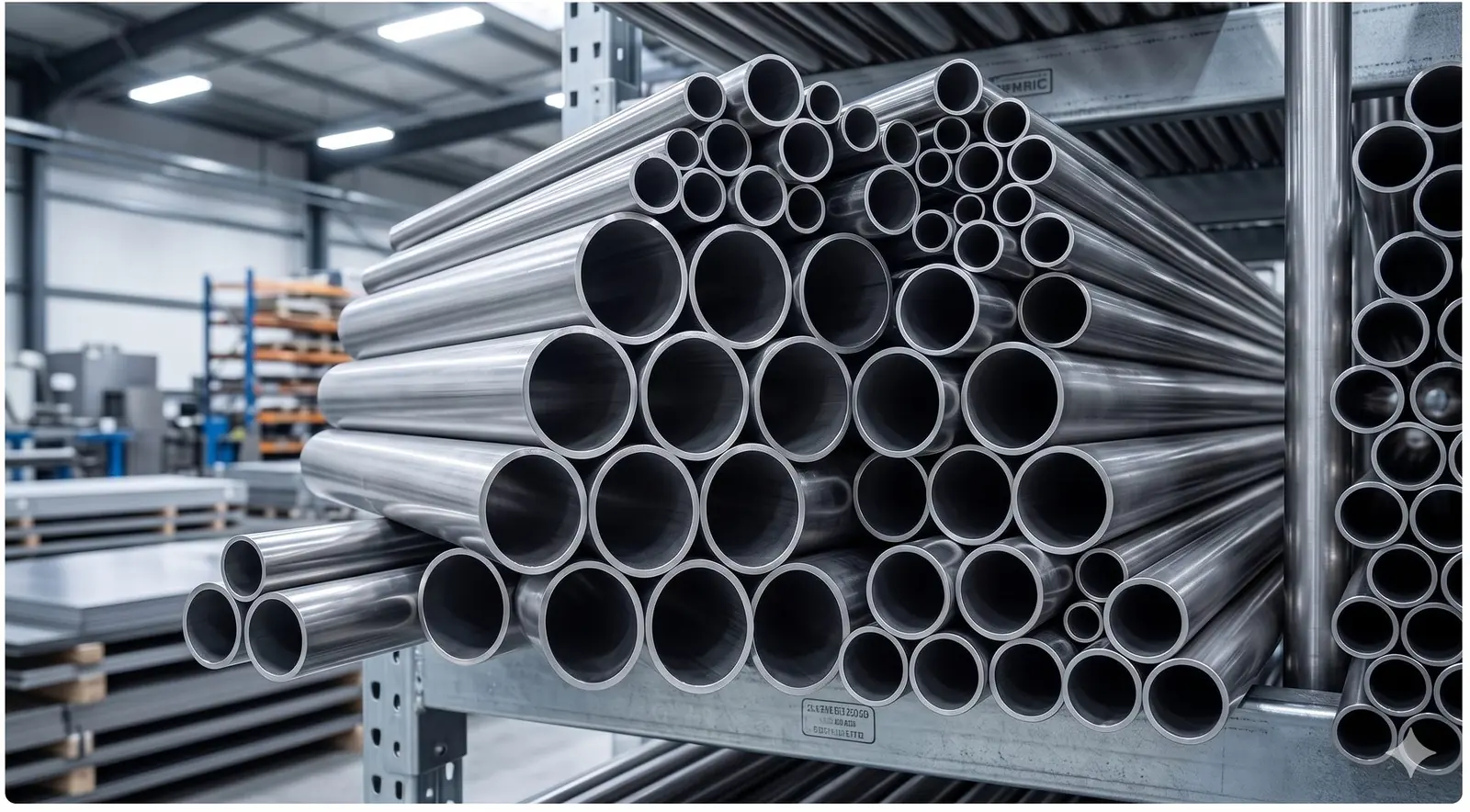
We most often work with stainless steel 1.4301 (304) and 1.4404 (316L), carbon steel, Hastelloy alloys and PTFE-lined steel pipes. We also work with aluminium, copper and other alloys: almost all metals.
The choice of material depends on the medium, pressure, temperature and hygiene requirements. We agree it with your materials engineering department.
The workshop has two tube bending machines for DN 10 to DN 50. Bent pipes replace welded elbows and save welds.
Every line is tested before handover. We agree the type and scope of testing with you before work begins.
With the order you complete a form on which you tick the documentation you require in line with your internal specifications.
Pipes, fittings and filler metals are procured with a material certificate.
Every spool is given a number in the workshop in Pratteln. Through it, the material certificate, welder, weld log and test result can be traced.
Visual inspection, pressure test or leak test and the other tests ordered.
You receive the documentation package in the scope you ordered.
You define at the time of ordering which documents you receive at the end. The options are:
Hohenrainstrasse 10b, 4133 Pratteln · Mon–Fri 07:00–12:00 and 13:00–16:00